If your AC quits on the first hot Maryland afternoon or your heat cuts out on a cold night, the cause often starts small. Dirty filters, HVAC airflow problems, and a clogged drain line can turn into no cool or no heat calls fast.
A few simple HVAC maintenance habits can show you how to prevent a breakdown before it starts. The right preventive maintenance checklist covers how often to change an HVAC filter and how to clear a clogged AC drain line. It also includes basic thermostat troubleshooting for an HVAC system, seasonal HVAC maintenance, and early signs that an HVAC is going to fail.
With safe, warranty-friendly steps, you can help prevent both AC and furnace breakdowns with less stress and fewer surprise repairs.
What is an HVAC breakdown, and what causes most failures?
An HVAC breakdown means your system stops its normal cool or heat functions. It might shut down completely, leak water, or run in a way that is no longer safe. Most of these failures come from small, preventable issues that build up over time. Neglecting maintenance leads to a decline in performance and increased energy use, which can eventually result in complete system failure.
Common Breakdown Causes
Many breakdowns trace back to a few core problems. These issues force your system to work harder than it should, which leads to premature wear.
- Dirty filters: A clogged filter is the most common cause of system strain. It blocks air and makes the blower motor overwork.
- Poor airflow: Vents blocked by furniture or closed interior doors can choke the system. It needs a clear path for air to circulate.
- Clogged drains: In summer, your AC produces condensation. If the drain line clogs, water can back up and trigger a safety switch that shuts the system off.
- Neglect: When you ignore small warning signs, they can grow into major failures. Regular care is the best way to avoid this.
Short cycling and overheating also create significant risks. A unit that starts and stops too frequently or runs too hot puts excess wear on critical parts like motors, capacitors, and the compressor.
Rental properties face an even greater risk. Filter changes can be inconsistent, and tenants may unknowingly block vents with furniture. A simple, consistent HVAC preventive maintenance checklist helps lower the odds of expensive repairs, reduces tenant callbacks, and can help the system last much longer.
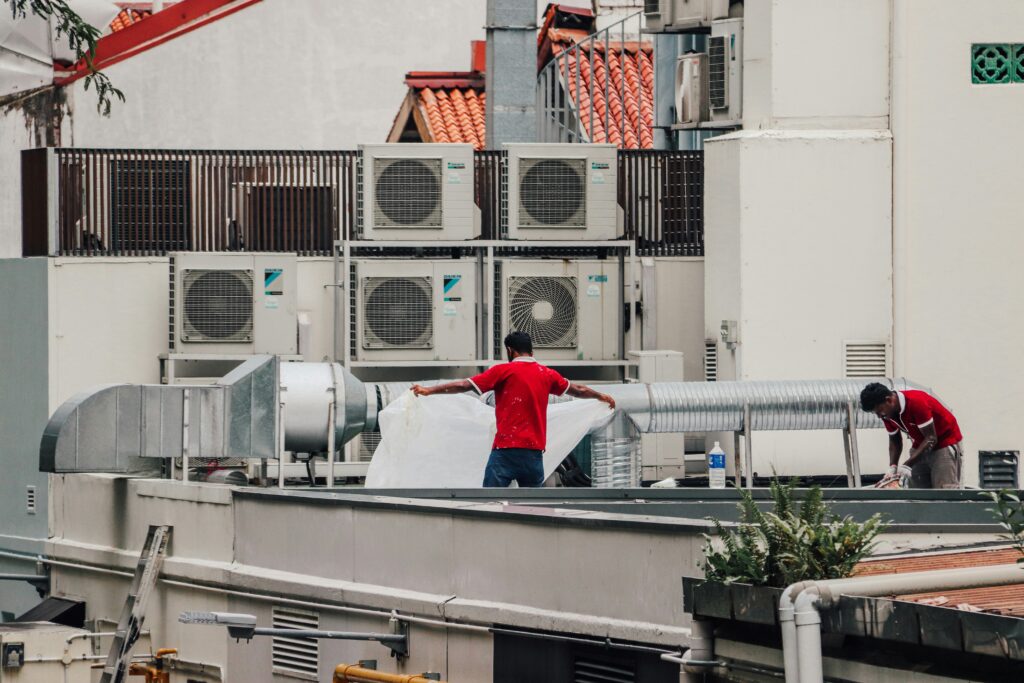
Start with this preventive maintenance checklist at home
A few simple habits can help you avoid most emergency HVAC service calls. With the right HVAC maintenance tips, you can catch common issues before they turn into breakdowns. Use this practical checklist for Maryland homes and rental properties to keep your system reliable.
Step 1: Replace or clean filters on schedule
Dirty filters are a top cause of HVAC failure because they restrict airflow and make your system work much harder. You should change or wash your filters every one to three months. This schedule depends on whether you have pets, allergies, or high levels of dust in your home.
When you select a filter, choose the right MERV rating for your equipment. A filter that is too restrictive can be just as bad as one that is dirty. Always use filters that fit snugly in the slot to prevent air from bypassing them.
Step 2: Keep supply and return vents open
Blocked vents create HVAC airflow problems that can strain your entire system. Walk through each room and check that every supply vent and return grille is open and clear. Furniture, rugs, or curtains can easily block them without you noticing.
Good airflow is essential to keep every room in your home comfortable. It also prevents unnecessary strain on the blower motor, which helps the system run more efficiently and last longer.
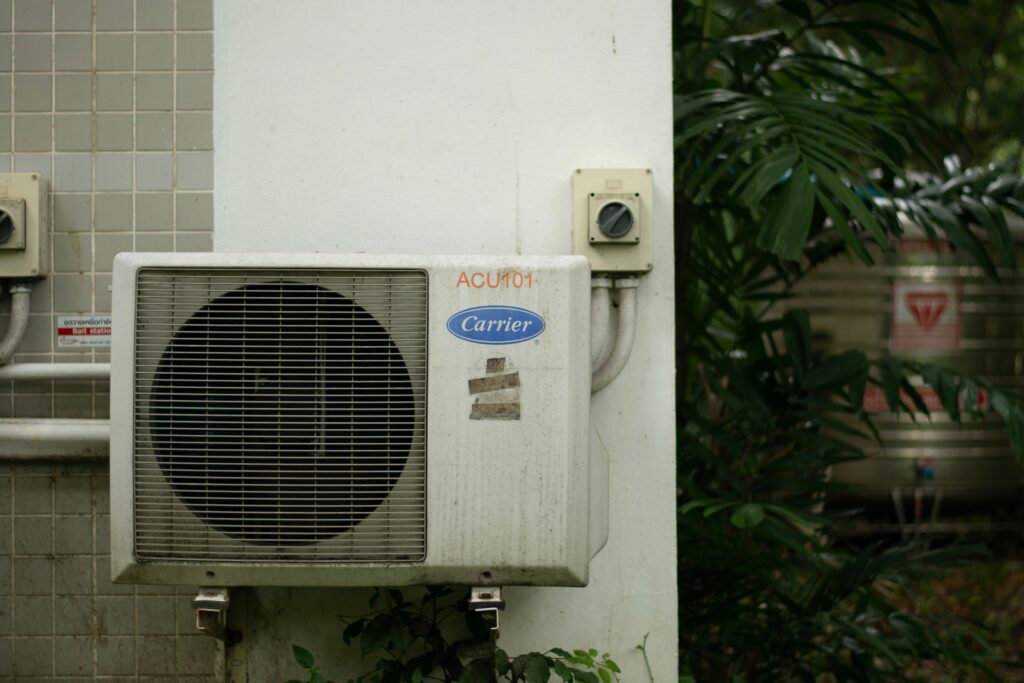
Step 3: Clear the outdoor unit
Your outdoor AC or heat pump unit needs clear space to release heat. Check around the unit and remove any leaves, grass clippings, mulch, or other debris. You should also trim shrubs or overhanging branches to maintain at least two feet of open space on all sides.
This simple step helps prevent an AC breakdown by reducing the risk of overheating. When the unit can breathe, it keeps airflow strong and the compressor cool.
Step 4: Flush the condensate drain line
A clogged AC drain line can cause water leaks or sudden system shutdowns. To prevent this, you can pour a cup of vinegar down the drain line access point each spring and fall. A wet/dry vacuum can also help clear sludge from the outdoor exit point.
Watch for any water near your indoor unit or musty odors, as these are common signs of a clog. A clear drain line protects your home from water damage and keeps the AC running.
Step 5: Quick thermostat check
Your thermostat controls your entire system, so a quick check is always a good idea. Set your thermostat to its heat or cool mode and confirm that the system responds. Check the temperature setting, the fan mode, and the battery status if it has one.
If your system does not turn on, or if it cycles on and off in odd patterns, you may need a professional checkup. A functional thermostat is key to reliable comfort.
Air filter schedule that prevents AC and furnace breakdowns
A consistent filter change is the simplest step to prevent an AC breakdown and a furnace breakdown. For most homes in Maryland, you should plan to swap the filter every one to three months. If you have pets, allergies, or recent renovations, check it monthly. High-traffic homes need extra attention too.
Signs a Filter Needs a Change
You do not always have to guess when it is time for a new filter. Your system will often give you clues that it is time for a replacement.
- More dust around your vents or on surfaces in your rooms
- Weak or reduced airflow from your supply registers
- Ice that forms on the indoor coil or the refrigerant lines
- A loud whistling or straining noise from the return air grille
Every filter must fit snugly inside its slot. Gaps around the filter allow dust and debris to bypass it and coat the internal components of your system. A filter that is too large or has a very high MERV rating can also limit airflow and put extra strain on the blower motor.
If you notice any signs of a clogged filter or your system seems to run longer than usual, replace the filter right away. Good filter habits lower the risk of expensive coil freeze-ups, motor strain, and surprise repairs during peak season.
Protect airflow and stop HVAC short cycling early
Short cycling puts intense stress on your HVAC system and reduces comfort, especially during Maryland’s hot summers and cold winters. The main HVAC short cycling causes include dirty filters, thermostat problems, and equipment that is too large for your home. Each of these issues can lead to rapid on and off bursts that waste energy and wear out key parts.
Quick Airflow Checks
You can perform some quick checks to protect airflow and reduce the risk of short cycling. These steps help ensure your system runs smoothly.
- Hold your hand over each supply register to confirm there is steady, strong airflow.
- Look for furniture, rugs, or dust mats that might block your return air grilles.
- Check that interior doors have enough space underneath to allow air to circulate back to the return vents.
Duct problems can also cause trouble. Hot or cold spots in your home, dust streaks near vents, or whistling sounds can all point to air leaks or blockages in your ductwork. For a safe check, you can look at the accessible coil area near your indoor unit for any visible dirt or ice without removing any panels.
If your system continues to short cycle after you check these items, or if you spot repeated shutdowns, call a professional for a full diagnostic. Quick action can prevent bigger repairs and keep your system healthy.
Outdoor condenser care to prevent overheating and compressor stress
Restricted airflow at your outdoor condenser unit can cause system pressures to rise and lead to the AC overheating. This can trip safety controls, put major stress on the compressor, and leave your home warm when you need cool air the most. Proper outdoor unit care helps you avoid these problems.
How to Clean Your Condenser Safely
A clean AC condenser unit is essential for efficient operation. Follow these simple and safe steps.
- Shut off the power at the outdoor disconnect box first.
- Clear away any leaves, grass, and loose debris from around the unit by hand.
- Use a gentle rinse from a garden hose to wash dirt from the coil fins.
- Do not use a pressure washer, as it can easily bend the delicate aluminum fins and block airflow.
- Never cover the unit with a tight plastic cover in warm weather, as this traps heat and moisture.
Vegetation, mulch piles, dryer vent lint, and fences can also block airflow. You should keep at least two feet of open space around the condenser for the best performance.
While you clean, do a fast visual inspection. Listen and look for any new vibration, buzzing, or unusual noises. You should also check for damaged refrigerant lines, loose parts, or signs of oil leaks. These could signal bigger AC problems that need a professional check.
Drain line and moisture control to avoid shutdowns and leaks
A clogged AC drain line can shut down your system, cause the overflow pan to fill, and lead to water damage or a total system lockout. This moisture backup often starts as a small issue but can leave you with a “no cool” service call just when you need comfort the most.
How to Spot Drain Trouble
You can often spot drain problems before they cause a shutdown. Look for these common signs.
- Musty or mildew odors near your vents or the indoor unit
- Water that pools around the base of your air handler
- Air that feels sticky or humid even when the AC is on
You can help prevent clogs if you flush the drain line with a mixture of vinegar and water every few months. Always check your owner’s manual before you use any cleaning solution. You should also keep the drain exit point outside clear of any dirt, grass, or mulch.
If your system keeps shutting off, or if you see water around your unit more than once, that signals a deeper issue. Your fan settings also matter. If you leave the fan set to ON instead of AUTO, it can actually raise humidity when it blows moisture back into your air after a cool cycle.
Seasonal HVAC maintenance plan for Maryland weather swings
Maryland’s rapid weather shifts mean your HVAC system needs care at key points throughout the year. A seasonal HVAC maintenance plan helps prevent surprise breakdowns and keeps your home or property comfortable. A professional should inspect each year all fuel-burning heating systems to ensure safe operation throughout the heating season.
| Season | Key Maintenance Tasks |
| Spring | Prep for cooling. Replace the filter, clear the condenser, test the thermostat, and flush the drain line. Schedule an AC check for weak cooling or noise. |
| Summer | Monitor performance. Check for icing, weak airflow, or rising bills. Check the filter again and listen for unusual compressor noise. |
| Fall | Prep for heating. Replace the filter, test heat mode, and check for odd smells or ignition delays. Test safety controls and CO alarms. |
| Winter | Check reliability. Confirm strong airflow and stable cycles. Watch for hot spots, cold spots, or a system that short cycles. |
Property managers should track filter changes for each unit, remind tenants about vent and return access, and log seasonal issues for reliable comfort all year.
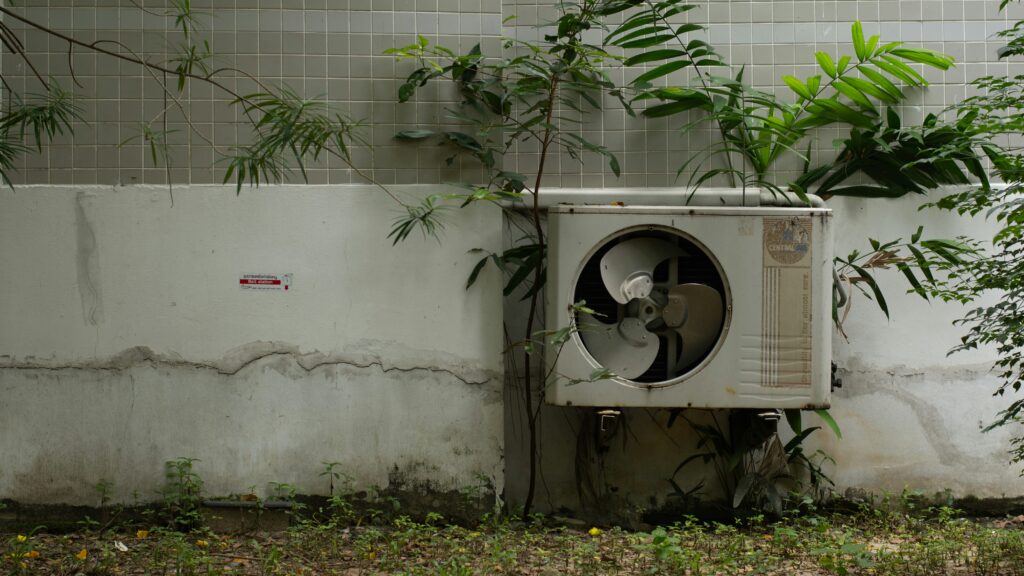
Warning signs your HVAC is going to fail soon
If you catch the early warning signs of a problem, you can often prevent a complete breakdown and an expensive after-hours call. Many HVAC issues start small but show up in your daily comfort, system sounds, and control responses before they become serious.
Performance and Comfort Signals
Your comfort level is often the first sign of trouble. A system under stress will struggle to keep up.
- Uneven temperatures in different rooms, longer run times, or weak airflow all point to a system that needs attention.
- You might also notice that your home feels more humid, even if the AC still seems to run.
- Higher utility bills with no change in the weather or your habits also count as a major red flag.
Sounds, Smells, and Control Issues
Unusual sounds and smells are clear indicators that something is wrong. Do not ignore them.
- You should listen for grinding, squealing, buzzing, or rattling noises. These often mean you have worn or loose parts.
- If you smell anything burning, musty, or sour, it is a sign to act quickly.
- Frequent system resets, tripped breakers, or a thermostat that incorrectly reads the room temperature all show control trouble.
Cooling and Heating Specific Issues
Cooling issues often show up as ice buildup, weak performance, or a system that cannot keep up. If your HVAC keeps freezing up, shut it off, check the air filter, and clear all vents. Ice buildup means you need service.
Heating issues come with their own warning signs. Failed ignition, soot around your vents, or strong odors can all point to a problem. Always shut down the system if you suspect a gas or electrical issue.
If your HVAC keeps freezing up, shut it off, check the air filter, and clear all vents. Ice buildup means you need service. Heating signs include failed ignition, soot around your vents, or strong odors. Always shut down the system if you suspect a gas or electrical problem.
DIY vs professional HVAC maintenance: safe limits to follow
Some HVAC tasks fit well as DIY projects, while others require a trained professional. Knowing the difference protects your system and your safety.
| Safe for DIY | Leave for a Professional |
| Changing or cleaning air filters | Refrigerant handling, charging, or leak repair |
| Clearing debris from the outdoor unit | Electrical repairs, including capacitor or contactor replacement |
| Checking and clearing supply and return vents | Gas valve, burner, or ignition component service |
| Basic thermostat checks and battery replacement | Opening sealed panels to access internal components |
| Flushing the condensate drain line (if your manual allows) | Diagnosing and fixing complex issues like short cycling or motor failures |
A professional tune-up goes further. A technician checks capacitors, inspects motors, cleans coils, and finds early wear that can lead to a breakdown. This expert care helps prevent surprise failures and keeps your system running longer.
For property managers, keep inspection logs and a filter change schedule for each unit. This habit supports reliable HVAC maintenance for rental properties and shows you care about tenant comfort.
Fewer emergencies with planned maintenance from Rod Miller HVAC
Small steps make a big impact on your HVAC system. Regular filter changes, clear airflow, and clean drains can prevent most breakdowns. A set schedule for these habits cuts down the chance of emergency calls, even during peak Maryland heat or winter chills.
If you notice warning signs like weak airflow, strange noises, or water leaks, act quickly. Early attention helps you avoid after-hours failures that disrupt comfort and cost more to fix. Staying ahead with maintenance brings peace of mind and fewer surprises.
Rod Miller HVAC offers honest diagnostics and maintenance agreements that fit your needs. Our team helps you stay on track with seasonal service, so your system runs smoothly year-round for consistent comfort and reliable results.
Ready to protect your system and prevent breakdowns? Request a Service with our local Maryland team today.
FAQs About How to Prevent HVAC Breakdown
What are the most effective ways to prevent HVAC breakdowns?
The best way to prevent HVAC breakdowns is through routine maintenance and simple proactive measures. Replace air filters regularly, keep vents open to maintain airflow, and clear debris from the outdoor unit. A properly maintained HVAC system runs more efficiently, reduces wear and tear, and helps you avoid unexpected breakdowns and costly repairs.
How often should I service my HVAC system to keep it running smoothly?
Most HVAC systems need regular maintenance at least twice a year, once before the heating season and once before peak air conditioning use. Regular inspections by a professional technician help catch minor issues early, protect electrical components, and keep your system running smoothly with better energy efficiency.
Can dirty air filters really cause HVAC breakdowns?
Yes, dirty or clogged filters are one of the most common causes of HVAC breakdowns. A dirty air filter can restrict airflow, forcing your HVAC unit to work harder. This leads to reduced airflow, higher energy bills, poor air quality, and premature wear on fan motors and other components.
What are the warning signs that my HVAC system might fail soon?
Common HVAC issues that signal potential system failure include uneven heating, warm air from your air conditioner, unusual noises, thermostat malfunctions, and increased energy bills. You may also notice reduced airflow or your system struggling to reach the desired temperature. These signs often point to underlying issues that should be addressed before they turn into expensive repairs.
How does poor airflow affect my air conditioning system?
When airflow is blocked by dirty filters, closed vents, or debris, your air conditioning system has to work harder to circulate air. This increases energy consumption, reduces system efficiency, and can lead to overheating or damage to condenser coils and refrigerant lines. Over time, this strain can cause system failure if not corrected.
What role do refrigerant levels play in preventing HVAC problems?
Low refrigerant levels or refrigerant leaks can seriously impact your cooling system. When refrigerant is low, your air conditioning unit cannot cool properly, which leads to longer run times, increased energy consumption, and stress on the compressor. Keeping refrigerant levels in check helps prevent HVAC issues and avoids costly repairs.
Which HVAC maintenance tasks should I leave to a professional?
Basic tasks like changing a clean filter or clearing the outdoor unit are safe for most homeowners. However, electrical issues, faulty wiring, refrigerant leaks, and problems with electrical connections should always be handled by a professional technician. These areas involve complex systems and can lead to safety risks or further damage if handled incorrectly.
Can regular maintenance really help me avoid costly HVAC repairs?
Yes. A strong maintenance plan focused on regular maintenance and early detection of minor problems helps avoid costly repairs and emergency repairs. Addressing small issues like clogged filters, thermostat malfunctions, or minor electrical problems early keeps your HVAC equipment properly maintained, improves performance, and extends the life of your heating and cooling system.